The Future Taste: Transformations in South Florida Catering Menus for 2026
As we move further into 2026, the landscape of catering in South Florida is rapidly evolving, influenced by changing consumer preferences, dietary needs, and culinary trends. With an ever-growing emphasis on health, sustainability, and innovation, catering menus are no longer merely lists of food items; they are now dynamic compilations that reflect the diverse cultures and lifestyles of the region. This shift is crucial for event planners, business professionals, and private individuals who desire to impress their guests with not just good food, but also meaningful culinary experiences.
In recent years, the catering industry has witnessed significant changes that can be attributed to the influence of technology, social media, and an increased awareness of health and wellness. Caterers are now tasked with creating menus that cater to various dietary restrictions and preferences, including vegan, gluten-free, and organic options. Moreover, the rise of food sustainability has prompted catering services to source ingredients locally, ensuring freshness while minimizing environmental impacts. This article explores how these developments shape the catering menus in South Florida and what consumers can expect in the coming year.
Additionally, the cultural melting pot that is South Florida plays a pivotal role in the evolution of catering. With a rich tapestry of Hispanic, Caribbean, and European influences, caterers are blending traditional recipes with modern flair, resulting in menus that are not only diverse but also visually stunning. The focus is shifting from just providing food to crafting an entire culinary experience that engages all the senses. As we delve into the details, we will uncover the specific trends and innovations that are defining catering menus in South Florida for 2026 and beyond.
Emerging Culinary Trends Shaping Catering Menus
One of the most significant shifts in catering menus is the rise of plant-based cuisine. As more individuals adopt vegetarian and vegan lifestyles, catering services are expanding their offerings to include creative plant-based options. From gourmet salads featuring local produce to innovative vegan entrees that mimic popular meat dishes, the variety is becoming more expansive. Caterers are embracing the challenge to showcase how delicious and satisfying plant-based meals can be, thus appealing to a broader audience. Canapés South Florida
Furthermore, in 2026, we can expect to see an increase in the incorporation of global flavors into catering menus. Influences from Asian, Middle Eastern, and Latin cuisines are merging with traditional American fare, creating unique fusions that excite the palate. For instance, dishes like Korean BBQ tacos or Mediterranean mezze platters are becoming increasingly popular, allowing guests to experience a world of flavors in one meal. This trend not only enhances the culinary experience but also caters to the adventurous eater who seeks variety and excitement in their dining choices.
Additionally, health-conscious options are making their mark on catering menus. With an increasing number of people prioritizing their health, caterers are introducing dishes that are lower in calories, sugar, and unhealthy fats. Ingredients like quinoa, chia seeds, and ancient grains are being featured prominently. Moreover, catering menus are now often accompanied by detailed nutritional information, allowing guests to make informed choices about what they consume. This transparency is becoming a critical aspect of catering, especially for corporate events where health and wellness are prioritized.
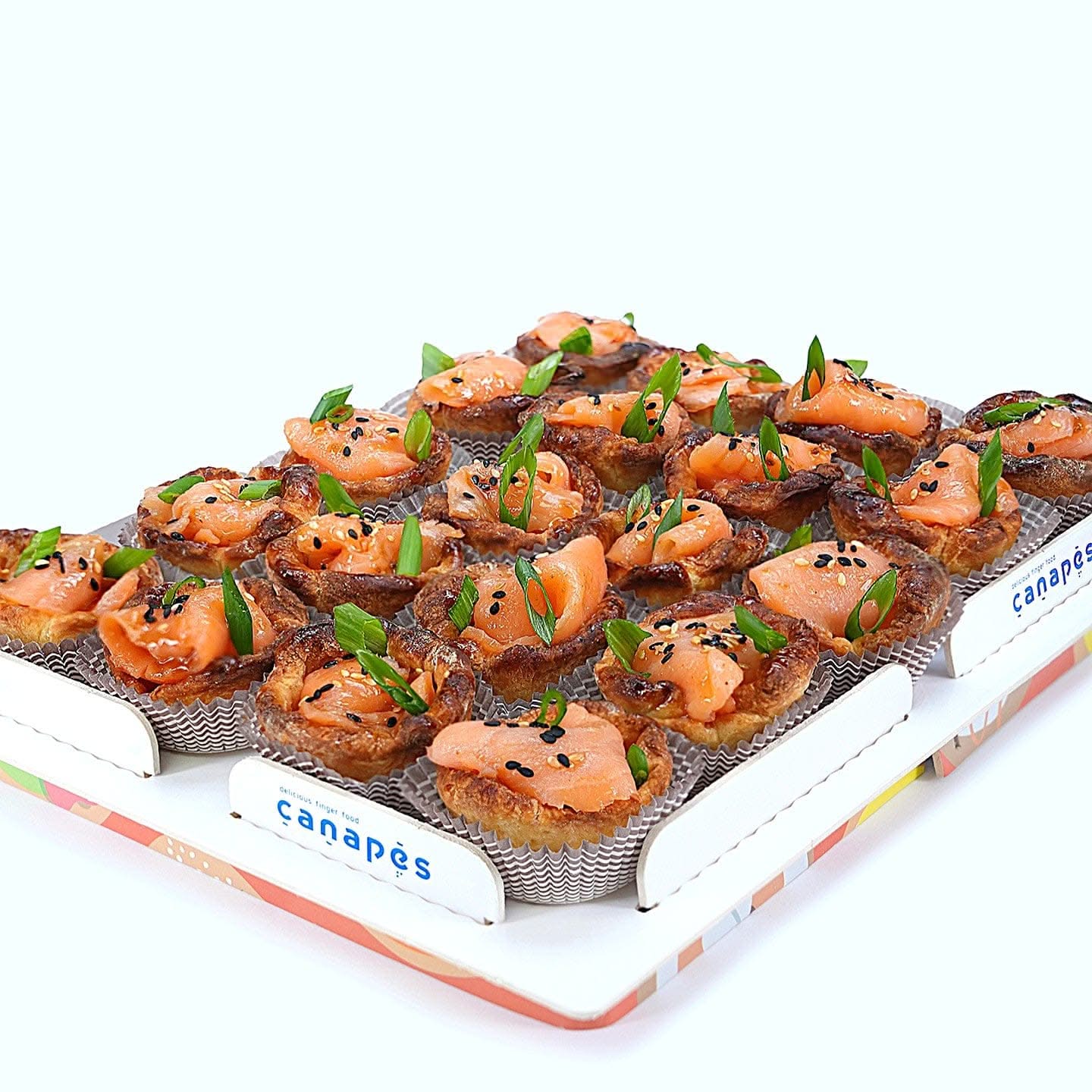
Focus on Local Sourcing
In recent years, the movement towards local sourcing has gained momentum, and this trend is set to continue into 2026. Many caterers are now committed to sourcing ingredients from local farms and markets, which not only supports the community but also ensures the freshness and quality of the food served. By using seasonal ingredients, caterers can create menus that reflect the unique flavors of South Florida, from fresh seafood to tropical fruits and vegetables.
Local sourcing also allows caterers to reduce their carbon footprint, aligning with the growing consumer demand for sustainability. Many clients are now actively seeking out catering services that prioritize eco-friendly practices, which can include everything from composting food waste to using biodegradable serving materials. This focus on sustainability is not only beneficial for the environment but also enhances the overall appeal of the catering service.
Dietary Accommodations
As awareness of dietary restrictions increases, catering services are adapting to meet these needs by providing a wide range of options. In 2026, expect to see menus that prominently feature gluten-free, nut-free, and dairy-free selections, ensuring that all guests can enjoy the meal without concern. Caterers are becoming more skilled at creating delicious dishes that adhere to these dietary requirements, proving that limitations can lead to creativity in the kitchen.
Moreover, some caterers are even offering customizable menus where clients can choose specific dietary options for their guests. This personalized approach not only enhances guest satisfaction but also demonstrates a caterer’s commitment to inclusivity. The ability to cater to diverse dietary needs is rapidly becoming a hallmark of quality in the catering industry.
The Role of Technology in Catering Innovations
Technology is transforming the catering industry in numerous ways, from the way menus are designed to how food is delivered. In 2026, we can expect to see an increased use of digital ordering systems and online menu customization tools. Clients will be able to browse extensive menus, filter by dietary preferences, and even visualize their selections through augmented reality applications. This tech-savvy approach simplifies the planning process, making it more efficient for both caterers and clients.
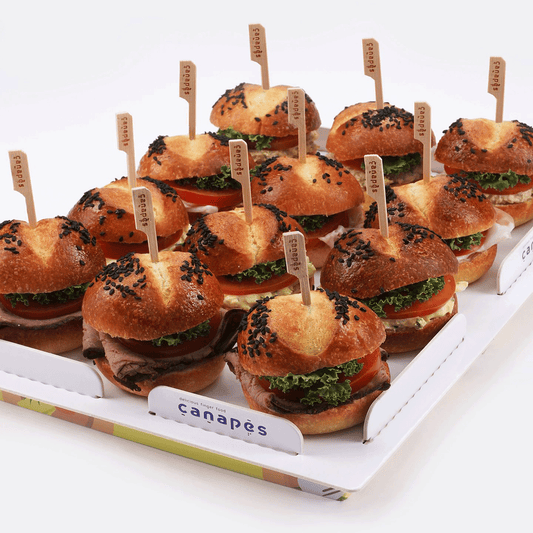
Moreover, catering companies are leveraging social media platforms to showcase their culinary creations and engage with potential clients. By posting visually appealing images and videos of their dishes, caterers can attract attention and create a buzz around their offerings. Social media also serves as a valuable tool for gathering feedback and improving services based on customer preferences.
Finally, advancements in food preservation and transportation technology are allowing caterers to maintain the quality and freshness of their offerings. Innovations such as temperature-controlled delivery vehicles and vacuum-sealed packaging are becoming standard practices in the industry. This ensures that food arrives at events in pristine condition, enhancing the overall dining experience for guests.
Interactive Culinary Experiences
As catering evolves, there is a growing trend toward interactive dining experiences. In 2026, clients are increasingly looking for ways to engage their guests beyond traditional buffet-style setups. Caterers are responding by offering live cooking stations, where chefs prepare dishes in front of guests, creating a sensory experience that adds excitement to events. This not only entertains but also allows guests to customize their meals according to their preferences.
Incorporating elements like food stations with various global cuisines or themed dining experiences can make events memorable. For instance, a taco bar with an array of toppings or a sushi rolling station where guests can create their rolls are becoming popular choices. These interactive elements foster social interaction and create lasting memories.
The Importance of Presentation
In the world of catering, presentation is everything. As we move into 2026, caterers are placing a greater emphasis on how food is displayed at events. Creative plating, stylish serving dishes, and unique arrangements are essential in making a lasting impression. Caterers understand that guests eat with their eyes first, and beautiful presentation can elevate even the simplest of dishes.

Moreover, food presentation is not just about aesthetics; it also reflects the quality of the catering service. A well-presented dish signals attention to detail and professionalism, which are crucial for catering companies aiming to stand out in a competitive market. In 2026, expect to see caterers utilizing innovative serving techniques and stylish décor to enhance the overall dining experience.
Menu Personalization and Customization
In 2026, the trend of menu personalization is set to reach new heights. Clients are increasingly seeking catering services that can tailor their offerings to fit the specific needs and preferences of their guests. This includes creating bespoke menus that cater to unique themes or personal tastes, ensuring that every event feels special and customized.
For instance, a wedding reception may feature a menu that reflects the couple's cultural backgrounds, combining traditional dishes from both families. Similarly, corporate events could showcase a variety of international cuisines to celebrate diversity within the workplace. By offering personalized menus, caterers can enhance the emotional connection between the food and the event, making the experience more memorable for all attendees.
Additionally, technology will play a significant role in facilitating this customization. Clients will have the ability to collaborate with caterers through digital platforms, allowing for real-time adjustments and suggestions based on guest feedback. This adaptability not only improves client satisfaction but also ensures that the catering service remains relevant in a rapidly changing market.
Table of Popular Catering Menu Trends in 2026
| Trend | Description | Example Dishes |
|---|---|---|
| Plant-Based Options | Increased demand for delicious and innovative vegan dishes. | Jackfruit tacos, vegan sushi rolls |
| Global Flavors | Fusion of different culinary traditions to create unique dishes. | Korean BBQ sliders, Mediterranean mezze |
| Health-Conscious Choices | Focus on lower-calorie and nutrient-dense offerings. | Quinoa salad, chia seed pudding |
| Interactive Stations | Live cooking and customizable food stations for guest participation. | Sushi rolling station, taco bar |
| Locally Sourced Ingredients | Utilization of fresh, seasonal produce from local farms. | Farm-to-table salads, seafood from local fisheries |
This table illustrates some of the most notable trends in catering menus for 2026, highlighting how they align with consumer preferences for variety, health, and sustainability. By emphasizing these trends, caterers can craft menus that are not only delicious but also reflective of contemporary dining culture.

Pros and Cons
- Pros:
- Diverse Menu Options: Catering services now offer a wide array of choices, accommodating various dietary needs and preferences, which enhances guest satisfaction.
- Health Focus: The emphasis on healthier options allows guests to enjoy delicious meals without compromising on their health goals.
- Local Sourcing: Using local ingredients supports community businesses and reduces environmental impact, appealing to eco-conscious consumers.
- Interactive Experiences: Engaging guests through interactive dining options creates memorable events that stand out and foster social interaction.
- Cons:
- Higher Costs: Innovative and customized menu options may lead to increased catering costs, which can be a concern for budget-conscious clients.
- Complex Logistics: Catering services face challenges in planning and executing complex menus, especially for large events with diverse dietary needs.
- Time-Consuming Planning: The customization process can extend the planning timeline, potentially complicating last-minute arrangements.
Weighing the pros and cons of modern catering reveals a landscape that is both exciting and challenging. While the diversity of menu options and focus on health and sustainability enhances the overall experience, the associated costs and logistical complexities can pose obstacles for some clients. It is essential for catering services to find a balance that meets client expectations while maintaining quality and efficiency.
Frequently Asked Questions
- What are the key trends in catering for 2026?
The key trends include an emphasis on plant-based options, global flavors, health-conscious choices, interactive dining experiences, and local sourcing. These trends reflect the evolving preferences of consumers who are seeking variety, sustainability, and engagement in their dining experiences.
- How can catering menus accommodate dietary restrictions?
Catering menus can accommodate dietary restrictions by offering a diverse range of options, such as gluten-free, vegan, and nut-free dishes. Caterers can also provide customizable menus that allow clients to select specific items to ensure all guests can enjoy the meal.
- What role does technology play in catering?
Technology enhances the catering experience by facilitating online menu customizations, improving order management, and allowing caterers to showcase their offerings via social media. It also aids in maintaining food quality during transportation, ensuring freshness upon arrival. visit this site
Conclusion
As we look toward the future of catering in South Florida, it is clear that the industry is undergoing a profound transformation. With a focus on health, sustainability, and cultural diversity, catering menus are evolving to meet the needs and expectations of a more discerning clientele. The incorporation of technology, local sourcing, and personalized dining experiences are key elements that will shape the culinary landscape in 2026. By staying attuned to these trends, catering services can not only enhance their offerings but also create memorable experiences that resonate with guests long after the event is over. For those planning events in South Florida, understanding these shifts will be essential in selecting the right catering partner to ensure a successful and delightful experience. Canapés party food



No comments:
Post a Comment